
Rockville Home Inspection Guide: What Local Inspectors Find Most
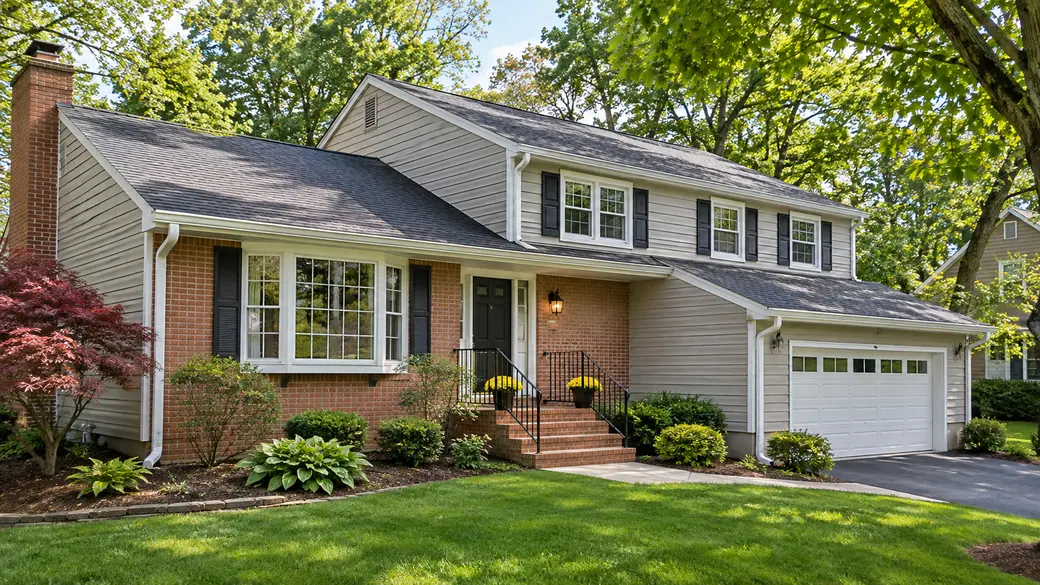
A Rockville home inspection should prioritize water management, roof condition, aging systems, electrical safety, and ventilation before a buyer commits to a property. In this market, four-season weather and homes built or renovated across different eras can expose deferred maintenance at the roofline, around foundations, and within mechanical systems. A careful report helps buyers separate manageable upkeep from conditions that need specialist review, a focused repair request, or a change in purchase terms before the contingency deadline.
Buyers also have a little more room to be thorough right now. Homes across Montgomery County averaged 34 days on market in September 2026 and sold for an average of 97.3% of their original list price, with active listings up 27.2% from a year earlier. In that environment, a well-documented inspection request is more likely to get a serious response than it would in a market where sellers are fielding several offers at once.
Quick Facts: Home Inspections in Rockville
- Pricing: Inspection fees vary by square footage, age, accessible systems, and specialty services included in the written scope.
- Time on site: Larger homes and properties with older systems generally require a longer on-site review.
- Contract timing: The inspection deadline is negotiated in the signed purchase agreement, so buyers should confirm it immediately after ratification.
- Licensing: Maryland home inspectors must hold an active state license through the Maryland Commission of Real Estate Appraisers, Appraisal Management Companies and Home Inspectors.
- Radon testing: The City of Rockville applies Montgomery County's radon testing law to sales of single-family homes and townhomes, so a radon test performed less than one year before settlement is part of most of these purchases.
- Housing profile: Rockville includes established neighborhoods, remodeled homes, additions, and newer construction, making system age and renovation quality important review points.
What a Rockville Home Inspection Should Accomplish
A Rockville home inspection is most useful when it identifies visible safety concerns, water pathways, and major systems that may need near-term attention.
The cost, duration, contingency period, and frequency of material findings vary by property and contract. Buyers should obtain a written inspection scope, confirm which accessible components are included, and review the report promptly enough to use the rights stated in their purchase agreement. Maryland's standards require licensed inspectors to evaluate accessible residential components within the defined scope, then provide a written evaluation of the findings.
What Rockville Inspectors Find Most Often
Rockville inspectors most often focus on water control, roofing, mechanical systems, electrical safety, plumbing, structural conditions, and attic ventilation because each can affect a home's safety, function, or future maintenance needs. Maryland's minimum standards direct licensed inspectors to visually inspect accessible roof systems, drainage components, flashings, heating and cooling equipment, plumbing, electrical components, foundations, and structural elements.
Roofing and flashing are high-priority maintenance items because recurring rain, sun exposure, and aging materials can weaken seals at vents, chimneys, skylights, and wall transitions. Missing shingles, worn flashing, or ceiling staining may begin as maintenance concerns, but active leakage can become a major issue when water reaches framing or finished rooms.
Water intrusion and exterior drainage deserve close attention around gutters, downspouts, grading, window wells, and lower-level walls. Damp finishes, recurring stains, deteriorated trim, or water near a foundation can signal a broader moisture-management problem rather than an isolated cosmetic issue.
Heating and cooling systems require practical review in homes with older equipment, additions, or altered layouts. Weak performance, poor condensate drainage, or visible installation concerns can justify further review by a qualified HVAC contractor.
Electrical panels and wiring can present immediate safety concerns, particularly where renovations occurred over several decades. Incomplete grounding, damaged components, improper connections, or missing protective devices warrant an electrician's assessment.
Plumbing and drainage lines may show corrosion, active leaks, slow drains, or aging supply and waste piping. A minor fixture repair differs substantially from persistent leakage behind finishes or around utility spaces.
Foundation walls, framing, and accessible crawl spaces need context. Cosmetic cracking is not the same as displacement, water entry, deteriorated framing, or noticeably uneven floors. Buyers considering Rockville homes for sale should compare the report with visible drainage conditions, maintenance records, and renovation history.
Common Inspection Findings: Severity and Repair Planning
The most useful Rockville repair planning starts with the finding's effect on safety, water control, and system function rather than a generic cost estimate. Contractor pricing varies substantially with access, permit requirements, materials, concealed damage, and the defined scope of work.
Roof concerns, drainage failures, active plumbing leaks, moisture intrusion, and attic ventilation gaps are commonly treated as maintenance priorities that can become more consequential when left unresolved. Electrical hazards, major HVAC failures, significant structural movement, and recurring water entry generally call for specialist evaluation before a buyer decides how to proceed. Gutter, grading, and downspout issues are especially relevant because they can direct water toward the foundation even when the interior appears dry.
How Rockville Home Inspections Reflect Climate and Housing Stock
Rockville home inspections often emphasize drainage, exterior maintenance, and ventilation because the area experiences recurring rain, humid summers, winter cold, and freeze-thaw cycles. These seasonal conditions can expose weak roof flashing, deteriorated caulking, clogged drainage components, masonry wear, and lower-level moisture pathways.
Rain makes it important to follow water from the roof edge to the downspout discharge and away from the foundation. Buyers should look beyond an interior stain and ask where water starts, how it moves across the site, and whether prior work corrected the underlying cause.
Cold-weather expansion and contraction can affect exterior trim, sealants, roof penetrations, masonry joints, and drainage details. Summer heat and humidity can make cooling performance, attic airflow, insulation gaps, and condensate management more apparent.
Rockville also contains homes with renovations completed in different periods. Replacement windows, remodeled kitchens, additions, electrical updates, and HVAC replacements can all be appropriate, but buyers should confirm that visible work functions together as a complete system. Age alone is not a defect. It is a reason to review workmanship, maintenance history, and remaining service life carefully. For move-up and luxury buyers looking at larger or extensively renovated homes, that review often matters more than the home's original build date.
Rockville Inspection Red Flags That Can Reshape a Deal
- Active water intrusion: Recurring roof or lower-level leakage can lead to hidden damage and continuing drainage work.
- Structural movement: Significant cracking, displaced materials, deteriorated framing, or uneven floors may require specialist review before a buyer proceeds.
- Unsafe electrical conditions: Damaged panel components, exposed wiring, and missing safety protections can create immediate correction priorities.
- Major HVAC failure: A system that cannot operate reliably can create a substantial near-term ownership expense during hot, humid summers and cold weather.
- Elevated radon results: Montgomery County is designated by the EPA as a Zone 1 area, meaning a higher potential for elevated indoor radon. Radon cannot be identified by sight, smell, or taste, and the EPA recommends action at 4 pCi/L or higher.
Radon Testing Rules for Rockville Purchases
Since January 1, 2023, the City of Rockville has applied Montgomery County's radon testing law to the sale of single-family homes and townhomes within city limits. Under that law, the home must be tested for radon less than one year before settlement, and both buyer and seller receive the results. Units in a condominium or cooperative are exempt from the requirement.
For buyers, the practical takeaway is to confirm early whether the seller has a qualifying test or whether you will order one as part of your inspection. If results come back at or above the EPA action level, mitigation is usually a defined, contractor-quoted correction that can be negotiated like any other material finding. For condominium purchases, radon testing remains a reasonable optional add-on, particularly for lower-level units.
Choosing a Home Inspector in Rockville
A Rockville buyer should hire an actively licensed Maryland home inspector who provides a clear written scope and report. The Maryland Commission of Real Estate Appraisers, Appraisal Management Companies and Home Inspectors oversees licensing, while state standards define the accessible systems and components included in a typical residential inspection.
Ask how the inspector documents inaccessible areas, whether the report includes photos, and when the completed report will be delivered. A useful report distinguishes safety concerns and material defects from routine maintenance, while identifying conditions that need further review by a qualified trade professional.
Specialty services should fit the property. A sewer scope can be useful where drain performance is questionable, mature landscaping is present, or the home has older piping. Moisture or air-quality testing can help when staining, damp materials, or persistent odors are visible. Chimney review may be appropriate when a fireplace or masonry flue is part of the home. Buyers can use the property's age, site drainage, and visible conditions to decide which added services fit, and a broader overview of buying in Rockville can help place the inspection within the full contract timeline.
Specialty Inspections Worth Considering in Rockville
Rockville buyers should add specialty inspections when the home's systems, visible conditions, or age create a clear reason for deeper review. A standard inspection can identify warning signs, but it does not replace a trade specialist's evaluation.
A sewer scope is often useful when there are slow drains, older drain lines, or signs of prior drainage work. Radon testing is broadly relevant and, for single-family homes and townhomes in Rockville, part of the sale process. Mold and air-quality evaluation can be appropriate when moisture staining, damp materials, or persistent odors are present. Pool, spa, chimney, and roof evaluations should be considered when those features are included and their condition is uncertain. Four-point and wind-mitigation reports are not routine Rockville add-ons, though an insurer may request additional documentation for a particular property.
Using the Inspection Report to Negotiate
A Rockville buyer should use an inspection report to make a concise request centered on material conditions, safety concerns, or items likely to create near-term ownership costs. Active leaks, unsafe electrical conditions, structural concerns, major mechanical failures, and conditions that could cause further damage generally carry more negotiating weight than worn finishes or ordinary maintenance.
A repair request can make sense when a defined correction can be completed by a qualified professional before settlement. A closing credit may be more practical when the buyer wants control over contractor selection and scheduling after closing. A price adjustment can fit broader condition concerns, although buyers should consider financing terms and available cash before choosing that approach.
Seller responses depend on the property's competition, the clarity of the finding, and the uncertainty of the proposed work. With more listings on the market than a year ago, sellers of homes that have been listed for several weeks may be more open to a reasonable, well-supported request. Buyers should still avoid treating the report as a wish list. Instead, they should identify conditions that affect safety, usability, water control, or likely near-term expenses.
If a seller declines a request, the buyer's options depend on the inspection contingency language, notice procedures, and deadlines in the signed agreement. Review the report quickly, obtain specialist input where appropriate, and submit a focused request supported by the findings.
Pro-Tip: Follow the path of water around the property, not just the condition of the basement. Gutters, downspouts, grading, and window wells can reveal why lower-level moisture keeps returning.
Protect Your Purchase in Rockville
Hagan Realty has represented buyers across Montgomery County since 2001 and helps Rockville buyers interpret inspection reports, understand contingency timing, coordinate radon testing, and prepare focused repair or credit requests before key contract deadlines. If you are reviewing a report or deciding whether to keep an inspection contingency in your offer, call or text (866) 424-2601, email info@haganrealty.com, or reach the team through the contact page.
Frequently Asked Questions
How much does a home inspection cost in Rockville?
Rockville inspection pricing depends on the home's size, age, accessible systems, and specialty services included. Request a written quote that identifies the inspection scope, report-delivery timing, and separate charges for services such as radon testing or a sewer scope.
What do home inspectors in Rockville find most often?
The most common Rockville inspection priorities involve roofing, drainage, moisture, HVAC performance, plumbing, electrical safety, structural conditions, and attic ventilation. Maryland standards require licensed inspectors to evaluate accessible components within the agreed scope, so the report should also identify areas that could not be reviewed.
Is a radon test required when buying a home in Rockville?
For single-family homes and townhomes within City of Rockville limits, yes. Since January 1, 2023, the city has applied Montgomery County's law requiring a radon test less than one year before settlement, with results shared with both buyer and seller. Condominium and cooperative units are exempt.
Can a seller refuse to fix anything after an inspection in Rockville?
Yes, a seller may decline a repair request unless the signed agreement requires a particular response. The buyer's next step depends on the contingency language, including the deadline for notice and any right to terminate or proceed.
Do I need a home inspection if I'm buying a new construction home in Rockville?
Yes, an independent inspection can still be valuable for new construction. Drainage, mechanical operation, electrical components, roof details, and finishing work can be evaluated before settlement even when the home has not been occupied.
How long does a home inspection take in Rockville, and when do I get the report?
The on-site schedule depends on the property's size, age, condition, and any specialty testing ordered. Confirm both the expected duration and report-delivery timeline before hiring so you have adequate time to review material findings within the contract deadline.
Recent Posts




"My job is to find and attract mastery-based agents to the office, protect the culture, and make sure everyone is happy! "