BUY IN BALTIMORE CITY

Join the beautiful community today!

SELL IN BALTIMORE CITY

Reach out to a Hagan Realty expert today!

Featured Listings

  • The History and Character of Baltimore City

    Baltimore was founded in 1729 and incorporated as a city in 1797. In 1851, it became an independent governmental jurisdiction separate from Baltimore County, giving Baltimore City a status comparable to a Maryland county while remaining a city.


    The city’s location along the Patapsco River and Chesapeake Bay helped it develop as a major port and center for trade, shipbuilding, manufacturing, and transportation. Mills developed along the Jones Falls, while the Baltimore and Ohio Railroad connected the city with inland markets and reinforced its role as an industrial and transportation center.


    Baltimore also played a prominent role during the War of 1812, when the defense of Fort McHenry inspired the words that became the national anthem. Its history also includes generations of African American maritime workers, entrepreneurs, artists, educators, and civic leaders, as well as immigrant communities that arrived through Locust Point and shaped neighborhoods throughout the city.


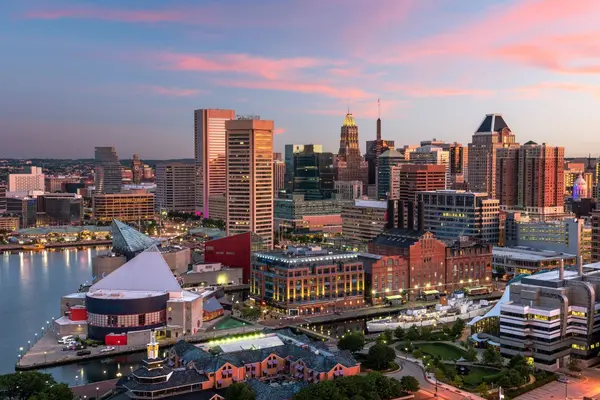
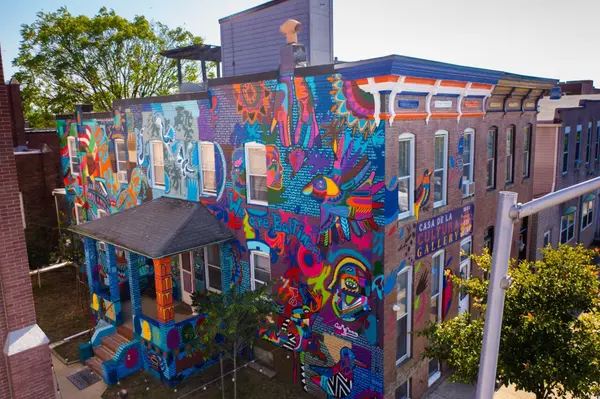
    Today, Baltimore includes more than 200 neighborhoods and an exceptionally varied housing landscape. Historic rowhouses, waterfront condominiums, converted industrial buildings, detached homes, apartment residences, and modern mixed-use development all contribute to the city’s real estate market. Its neighborhoods are connected by parks, universities, hospitals, museums, cultural districts, public markets, transportation corridors, and the Inner Harbor waterfront.

    SCHOOLS AND SCHOOL DISTRICTS

    Baltimore City Public Schools serves 76,362 students across 159 schools and programs. The district combines zoned neighborhood schools with citywide programs and school-choice options, along with advanced academics, dual enrollment, and college- and career-focused pathways. 

    CLICK HERE

    TRANSIT AND TRANSPORTATION

    Baltimore is served by an extensive regional road and transit network that includes MTA local buses, Light RailLink, Metro SubwayLink, MARC Penn and Camden Line service, Amtrak, and the city’s free Charm City Circulator. 

    CLICK HERE

    TOP NOTCH SUPPORT

    From waterfront condominiums and historic rowhouses to detached homes, renovated properties, and newer development, Hagan Realty helps Baltimore City buyers and sellers compare neighborhoods, understand market conditions, and move forward with a clear plan.

    CLICK HERE

    Amenities and Attractions in Baltimore

    Baltimore combines a historic waterfront, distinctive neighborhoods, major parks, public markets, museums, professional sports, colleges and universities, arts districts, local shopping, and dining. Residents and visitors can move from the Inner Harbor and Fells Point to Patterson Park, Mount Vernon, Hampden, Druid Hill Park, and cultural destinations throughout the city.

    • Baltimore City contains almost 4,600 acres of parkland, three stream valleys, and miles of bicycle and natural-surface trails. Its park system ranges from waterfront promenades and neighborhood recreation spaces to large wooded and historic landscapes.

      Druid Hill Park includes the Maryland Zoo, the Rawlings Conservatory, reservoir paths, fields, picnic areas, and other recreation facilities. Patterson Park offers pathways, athletic fields, playgrounds, a swimming pool, an ice rink, and its historic observatory. Other major outdoor destinations include Gwynns Falls/Leakin Park, Cylburn Arboretum, Federal Hill Park, Canton Waterfront Park, the Jones Falls Trail, and the city’s waterfront promenade.
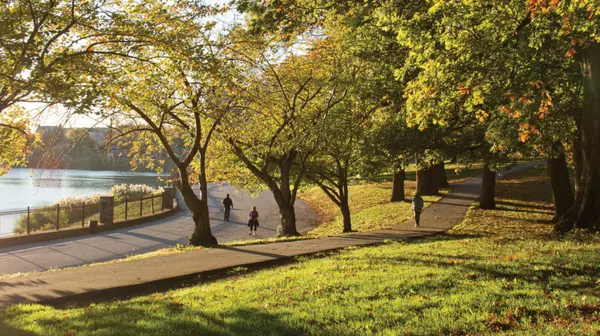
       

      Baltimore City Outdoor Recreation

      Baltimore City Outdoor Guide

      baltimore 8
    baltimore 8
    baltimore 9
    baltimore 10
    baltimore 8

    TRANSIT AND TRANSPORTATION

    Baltimore is connected by an extensive regional road network. I-95 provides north–south access through the Baltimore–Washington corridor, while I-83, I-395, I-895, US 40, MD 295, and major city streets connect Downtown, the waterfront, residential neighborhoods, Baltimore County, BWI Airport, and surrounding employment centers.


    The Maryland Transit Administration operates BaltimoreLink local and express buses, Light RailLink, Metro SubwayLink, and Mobility paratransit service throughout the Baltimore region. Bus, rail, and subway access varies substantially by neighborhood, so buyers should compare the exact property’s distance to routes and stations rather than relying on a citywide description.


    Baltimore Penn Station is served by MARC’s Penn Line, Amtrak, Light RailLink, local buses, and the Charm City Circulator. West Baltimore is also served by the MARC Penn Line. Camden Station provides MARC Camden Line service toward Washington, DC, with intermediate stops including Dorsey, Laurel, and College Park.


    The free Charm City Circulator operates five central-city routes connecting Downtown and nearby neighborhoods and destinations. Its routes and operating hours can change, so users should consult the current city schedule when planning travel.


    Transportation access differs significantly among Baltimore neighborhoods. Buyers should compare the home’s proximity to highways, bus routes, rail stations, bicycle infrastructure, employment centers, parking, and daily destinations before making a location decision.

    SCHOOLS AND SCHOOL DISTRICTS

    Baltimore City Public Schools serves 76,362 students in the 2025–2026 school year. The district operates 159 schools and programs and employs 11,661 staff members. Its network includes elementary, elementary/middle, middle, middle/high, and high schools, along with specialized educational programs. 

    • 76,000+

      Students Enrolled

    • 159

      Schools and Programs

    • 11,600+

      District Employees

    • 21

      High Schools

    SCHOOLS AND SCHOOL DISTRICTS

    City Schools uses a combination of zoned neighborhood schools, citywide programs, charter and contract schools, and middle- and high-school choice processes. Academic options include honors and Advanced Placement courses, gifted and advanced learning, dual enrollment, and career-focused programs. Eligibility or enrollment may depend on a student’s address, grade level, application, choice process, program criteria, or available capacity.


    Buyers should use the property’s exact address to review the current zoned-school information and should separately research any choice, charter, or specialized program of interest. School boundaries, enrollment procedures, program offerings, and availability may change, so this information should be confirmed directly with Baltimore City Public Schools rather than through an MLS listing alone.

    CONTACT US

    FAQs: Living in Baltimore

    What types of homes are available in Baltimore?

    Baltimore offers historic rowhouses, condominiums, townhomes, detached homes, converted industrial properties, waterfront residences, apartment-style ownership, and newer mixed-use development. Housing type, age, parking, association obligations, and property condition vary considerably by neighborhood.

    Is Baltimore City the same as Baltimore County?

    Which Baltimore neighborhoods should buyers explore?

    Does Baltimore have public transportation?

    Does Baltimore have commuter and intercity rail?

    What parks and outdoor recreation are available?

    How are Baltimore City public schools determined?

    What should buyers investigate when purchasing an older Baltimore rowhouse?

    What should buyers review before purchasing a Baltimore condominium?

    How can Hagan Realty help buyers and sellers in Baltimore?