
MD
Bethesda
$1,603,261
$1,296,667
410
82,233
The History and Character of Bethesda
Known for its premier schools, robust economy, and sophisticated cultural and dining scene, Bethesda's evolution from a quiet crossroads to a major economic and cultural center is a story of strategic growth fueled by infrastructure and federal investment. In the colonial era, the area was little more than a rural way station along a tobacco-hauling route between Georgetown and Rockville. Its first commercial establishment was a tavern, and by 1862, a small settlement had formed around a general store run by postmaster William E. Darcy, leading to the community's first name, "Darcy's Store". The official name change to Bethesda occurred in 1871, a reference to the nearby Bethesda Presbyterian Meeting House, which was built in 1820.
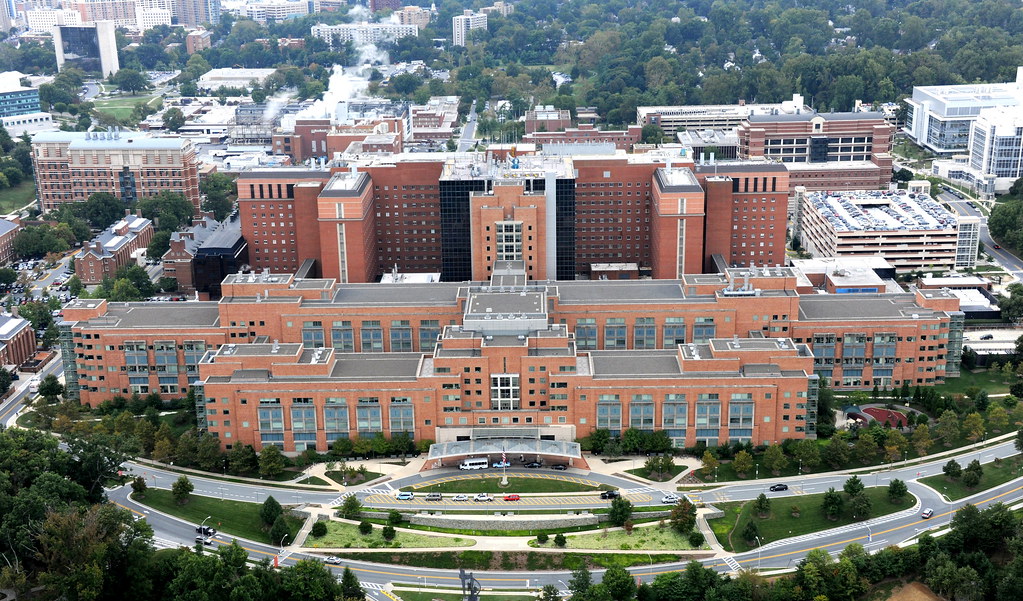
The community's character was profoundly shaped by three distinct catalysts. The first was the arrival of the electric streetcar in 1891, which connected the village to Washington, D.C., and spurred the first wave of suburban development as city dwellers sought the clean country air. The second and most transformative catalyst was the federal government's decision to establish major institutions in the area. The founding of the National Institutes of Health (NIH) and the National Naval Medical Center (now part of Walter Reed National Military Medical Center) during the World War II era created a massive, stable employment base for highly educated professionals and attracted a cluster of related medical and research businesses.
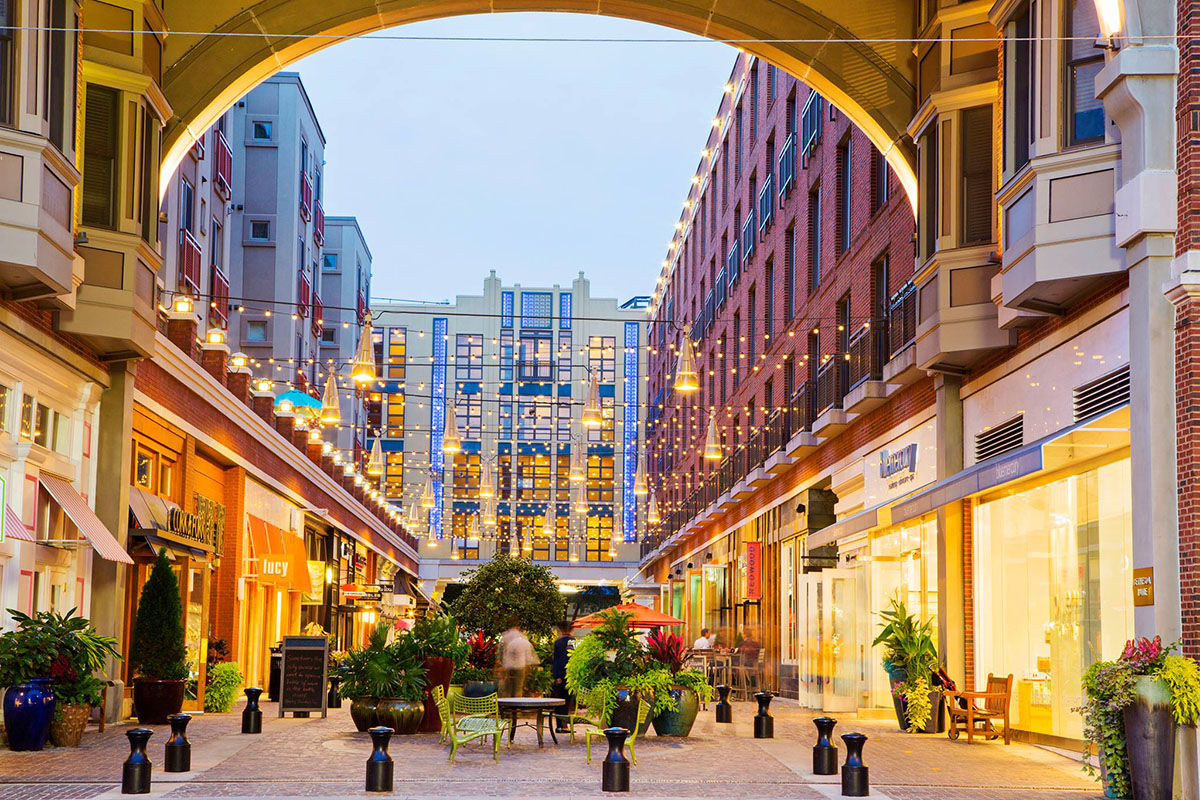
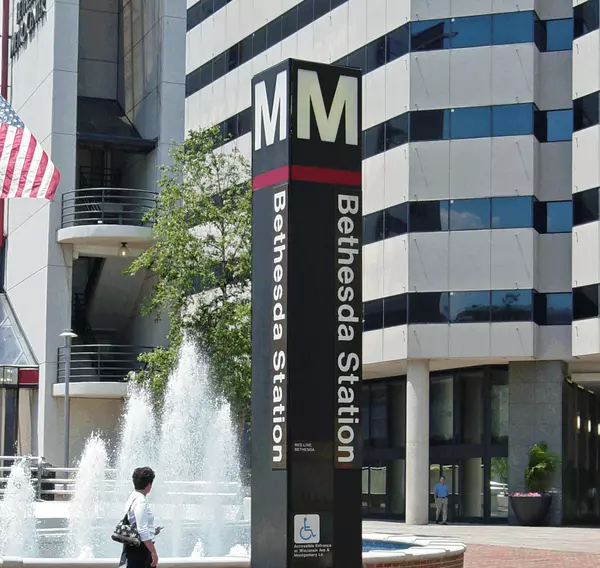
The final inflection point was the 1984 expansion of the Metrorail system, which brought the Red Line to downtown Bethesda. This solidified its status as a major urban core, fueling the high-density commercial and residential development that defines its center today. The result of these historical forces is Bethesda's current character: a dynamic, sophisticated, and amenity-rich community that blends the convenience of urban living with the appeal of a prosperous suburb.

Socio-Economic & Demographic Data
Socio-Economic and Demographic Profile
Bethesda is one of the most affluent and highly educated communities in the Washington, D.C. metro area. The town is home to approximately 80,000 residents, with a median household income near $190,000—nearly double the Maryland state average. Roughly 85% of adults hold a bachelor’s degree or higher, and 25% of residents are foreign-born, giving Bethesda a cosmopolitan, internationally connected character.
The town’s economic profile is equally impressive. Bethesda boasts a robust white-collar job market, hosting the headquarters of Fortune 500 companies like Lockheed Martin and Marriott International, alongside numerous consulting, biotech, and financial services firms. Bethesda's economy is largely shaped by major employers like the federal government and healthcare research. The National Institutes of Health (NIH) and Walter Reed National Military Medical Center are key institutions, employing thousands and cementing Bethesda's role as a national center for healthcare and biomedical research.
Bethesda, MD, thrives economically due to its location in Montgomery County's "BioTech and BioHealth" corridor, a major biohealth cluster. Many residents commute to Washington, D.C. or Northern Virginia for federal, contracting, and tech jobs. Downtown Bethesda also boasts a strong hospitality and retail sector. This diverse economy, concentrated in government, healthcare, defense, technology, and professional services, contributes to low unemployment and high median incomes, ensuring community stability and prosperity.

HOUSING TYPES
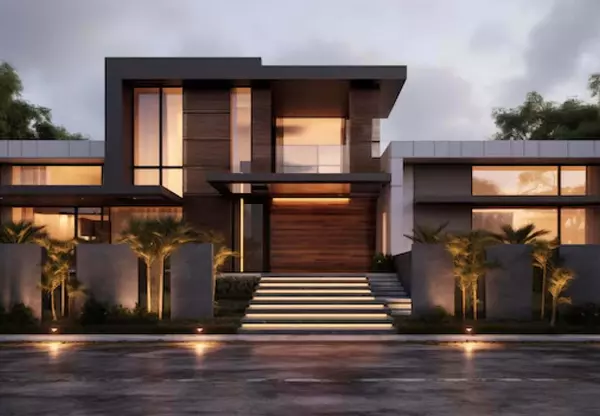
The housing stock in Bethesda serves as a physical timeline of its history, offering a rich diversity of architectural styles that reflect its different eras of growth. The earliest waves of suburbanization are represented by charming early 20th-century homes, including classic Colonial and Tudor Revivals found in established neighborhoods like Greenwich Forest and Woodhaven. The post-World War II boom, driven by the arrival of major federal employers, is visible in the many mid-century ramblers, Cape Cods, and split-level homes that characterize neighborhoods such as Wyngate.
The modern era of urbanization, which accelerated with the arrival of the Metro, is most evident in the downtown core. Here, the market features an extensive inventory of luxury high-rise condominiums, such as The Edgemoor and Lionsgate, as well as upscale townhouse communities. This blend of historic single-family homes on quiet, tree-lined streets and contemporary, high-density options in the urban center provides a wide range of living experiences.
MARKET STATISTICS
Bethesda's real estate market is highly competitive and valuable, driven by a strong economy, excellent schools, and abundant amenities. High demand and limited supply lead to quick sales, often above list price, with a Redfin Compete Score of 81/100.
This intense market pressure is reflected in property values. The median sale price for a single-family home is approximately $1.6 million, while the median for a townhouse is around $1.3 million. The condominium market is varied, with a median sale price for standard units around $430,000, while new luxury condominium buildings command median prices upwards of $1.42 million.
A key indicator of the market's trajectory is the changing nature of affordability. The intense and sustained demand has significantly raised the entry point into the market. Between 2019 and 2024, the number of homes sold for under $1 million fell by a remarkable 85%. This demonstrates that the market is not just appreciating in value but is also becoming more concentrated in the upper brackets, fundamentally reshaping its composition toward the luxury segment.
Schools and School Districts of Bethesda
Highly-Regarded Public Schools
The quality of local schools is a foundational element of Bethesda's community identity and a primary driver of its real estate market. The area is served by several of the most acclaimed public schools in the state and the nation. Among its high schools, Walt Whitman High School (pictured to the right) is ranked by Niche.com as the #2 best public high school in Maryland, with Walter Johnson High School ranked #7 and Bethesda-Chevy Chase High School ranked #9, all receiving A+ ratings.
The middle and elementary schools that feed into these high schools are similarly distinguished. Middle schools like Thomas W. Pyle, North Bethesda, and Westland are consistently ranked among the top in the state. At the elementary level, schools such as Bannockburn, Bradley Hills, Wood Acres, Wyngate, and Somerset are recognized for their top-tier academic performance. This sustained record of educational excellence creates a powerful draw for families, who are often willing to pay a premium for homes located within the attendance boundaries of these highly sought-after schools. See the Montgomery County Public Schools (MCPS) website to get more information about registration.
Top Private Schools in the U.S.
In addition to public schools, Bethesda hosts a number of elite private schools. Landon School (an independent boys’ school) and Holton-Arms School (an independent girls’ school) are both located in Bethesda and are among the top private schools in the region, known for rigorous academics and extensive alumni networks. Other notable private institutions accessible to Bethesda residents include Stone Ridge School of the Sacred Heart (Catholic, girls), Sidwell Friends School (which has a lower school campus in Bethesda), and the Mater Dei School (an all-boys Catholic school for grades 1-8.).
(Image source: RRMM.com)
Shopping and Dining
Parks and Recreation
Transit and Transportation
Arts and Culture
OTHER FEATURED AREAS

Bethesda, MD: FAQs
What makes the Bethesda real estate market so competitive?
The competitiveness of the Bethesda real estate market stems from the convergence of several powerful factors. Its robust and stable economy, anchored by federal institutions like the NIH and major corporate headquarters, generates consistent demand from high-income professionals. This is coupled with a nationally-ranked public school system that is a primary draw for families. Furthermore, the area's rich array of high-end amenities, from dining and shopping to arts and culture, and its excellent transportation links to Washington, D.C., enhance its desirability. This high demand meets a limited supply of homes in a geographically constrained area, leading to elevated prices, multiple-offer situations, and fast sales cycles.
Is Bethesda a walkable community, or is a car necessary?
What are the primary industries and largest employers in Bethesda?
How do the public schools in Bethesda rank?
What is the overall atmosphere or "vibe" of Bethesda?
Is Bethesda a safe place to live?
LISTINGS





Commute Score

Coming Soon
housing detail
Coming Soon
Listing Detail

GET MORE INFORMATION